DIY Repiping or Professional Help: Which Is Best in St. Cloud, FL & Surrounding Areas
Replacing old plumbing — known as repiping — is a significant home improvement task that affects water quality, safety, and long-term property value. Homeowners in St. Cloud, Florida and nearby communities like Kissimmee, Celebration, Poinciana, Harmony, Buenaventura Lakes, Narcoossee, Campbell, and BVL (Buena Ventura Lakes) often wonder whether they can handle repiping themselves or if hiring a professional is the smarter choice. Because repiping impacts nearly every fixture in the house and involves complex systems under walls and slabs, deciding between DIY and professional help depends on your skills, time, safety concerns, and long-term investment goals.
What does repiping a home involve?
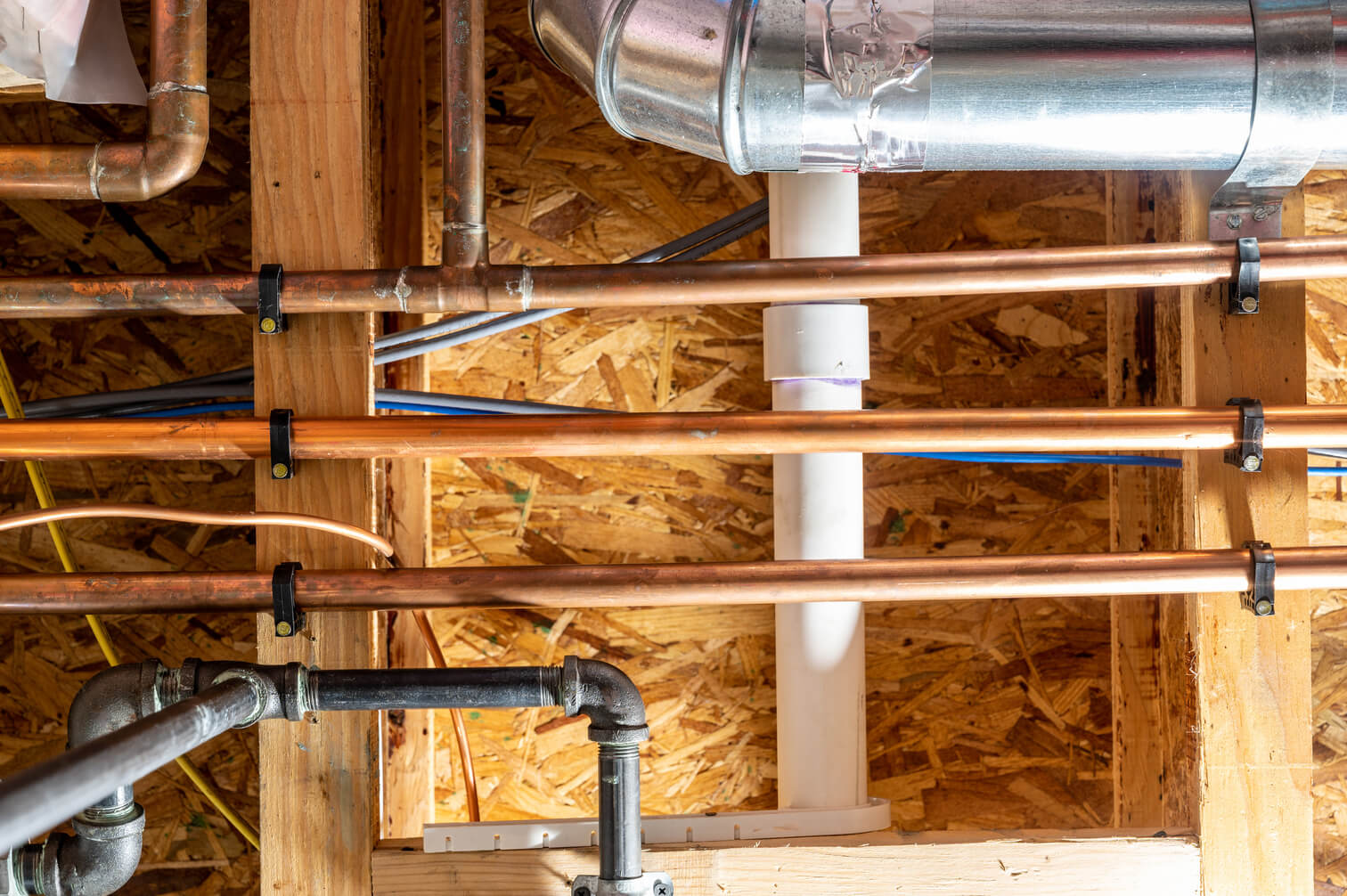
Repiping a home means removing old plumbing lines — which may be corroded, ineffective, or made of outdated materials like galvanized steel or polybutylene — and replacing them with modern piping such as PEX, copper, or CPVC. The job often includes accessing plumbing behind walls, under slabs, and around tight spaces. Because St. Cloud homes vary in age and layout, the complexity can differ widely.
What are the benefits of attempting DIY repiping?
The primary advantage of a DIY repipe is cost savings on labor, but that’s only true if you already have advanced plumbing skills, the right tools, and the ability to work safely in confined spaces. Homeowners in areas near Orlando or Kissimmee with prior plumbing experience might tackle small sections or partial repipes, but it’s rare that DIY results match professional quality when the entire system is involved.
What are the biggest challenges of DIY repiping in St. Cloud, FL?
DIY repiping presents several challenges. First, you must diagnose the full scope of the issue accurately — something seasoned plumbers do with diagnostic tools. Second, accessing pipes inside walls, crawl spaces, or beneath concrete slabs without damaging structural elements requires expertise. Third, errors in cutting, joining, or sealing pipes can lead to leaks, water damage, mold, and higher repair bills — a risk that increases without professional training.
Does DIY repiping meet local codes and permit requirements?
In most cases, no. Cities like St. Cloud and Kissimmee require permits and inspections for major plumbing work. Professional plumbers know how to obtain permits, pass inspections, and ensure that work meets Florida Building Code standards. A DIY attempt that bypasses permits can lead to fines, failed home inspections, and problems when selling your home.
How does professional repiping improve water quality and home safety?
Professionally executed repiping ensures that all pipes are properly sized, sealed, and supported. Pros use durable materials like PEX or copper, installed with corrosion-resistant fittings. This helps prevent leaks, contamination, low pressure, and premature pipe failure — especially important in Florida’s climate, where soil conditions and humidity can affect plumbing longevity.
What are the advantages of hiring a licensed plumber in St. Cloud?
Licensed plumbers bring deep knowledge of local codes, water systems, and common repiping pitfalls. They offer warranties, proper diagnostics, safe handling of pressurized systems, and full project cleanup. For homeowners in areas like Harmony or Narcoossee who want minimal disruption and guaranteed results, professional help is often the most cost-effective choice long term.
How much does professional repiping cost in the St. Cloud area?
Costs vary based on home size, pipe material (PEX tends to cost less than copper), labor time, slab access requirements, and permit fees. On average, a full home repipe in the St. Cloud region may range from $3,000 to $10,000 or more depending on these variables. Professionals provide detailed quotes that include materials, labor, and permit handling.
What happens if DIY repiping goes wrong?
Mistakes in a DIY repipe can lead to water damage, mold growth, structural harm, higher water bills, and repeated leaks. Improperly installed pipes might also fail pressure tests and code inspections, leaving you with costly corrective repairs. For residents near Buena Ventura Lakes or Celebration, such issues can quickly escalate into major expenses that far exceed the original quote for professional service.
Can parts of repiping be DIY while leaving the rest to professionals?
In some cases, homeowners choose a hybrid approach — for example, prepping access points or removing old fixtures themselves, then letting experienced plumbers do the repiping, pressure testing, and inspections. However, full repipes are rarely recommended as DIY because of the risks involved.
How do I decide what’s best for my home?
Ask yourself these questions: Do I have advanced plumbing experience? Am I comfortable with permits, inspections, and wall/slab access? Can I afford unexpected repairs if mistakes happen? If not, professional help is usually the best choice — especially when local regulations and warranties are considered.
Final Thought
While a DIY repipe might seem like a way to save money, in St. Cloud, FL and surrounding areas like Kissimmee, Harmony, and Celebration, the risks often outweigh the rewards. Professional plumbing help ensures that your repipe is code-compliant, long-lasting, safe, and backed by warranty — giving you peace of mind and protecting your home’s value. For most homeowners, expert installation is the smarter investment.
Why is professional repiping usually better than DIY?
Professional repiping ensures code compliance, proper permits, high-quality materials, guaranteed workmanship, and reduced risk of leaks, water damage, or future repairs — especially important in St. Cloud’s climate and soil conditions.
Can I legally repipe my home myself in St. Cloud, FL?
Major plumbing work generally requires permits and inspections. Without proper permits, DIY work could fail inspection, lead to fines, and create problems during resale.
What materials do professionals typically use?
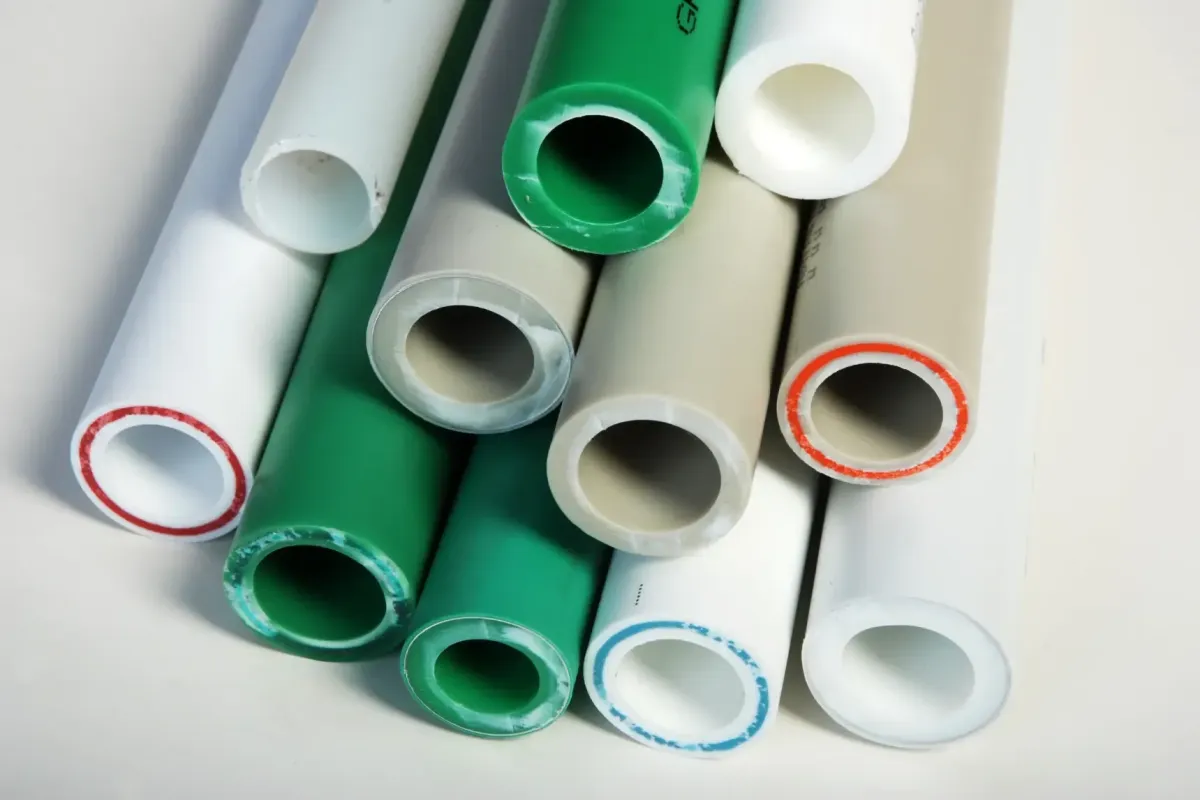
Licensed plumbers often recommend PEX for cost-efficiency and flexibility, or copper for durability — chosen based on home size, water quality, and long-term goals.
How long does professional repiping take?
Most full home repipes take about 1–3 days, depending on home size, wall/slab access, and material type, with minimal disruption when done by experienced crews.
What’s the biggest risk of DIY repiping?
The biggest risk is improper installation leading to leaks, water damage, mold, and costly repairs that far exceed professional installation costs.
Email: [email protected]
Phone: +1 (407) 451-3982
Address: Orlando, FL